The Question Nobody Wants to Ask
Every year, humanity celebrates growth.
More companies. More factories. More technology. More construction. More profits.
Governments call it development.
Businesses call it expansion.
Investors call it opportunity.
But nature may be asking a different question:
How much more can Earth take?
Look around.
Forests are shrinking.
Wildlife populations are declining.
Rivers are under stress.
Oceans are filling with waste.
Freshwater resources are becoming more precious.
At the same time, humanity is consuming more resources than at any point in history.
The uncomfortable reality is that every new road, mine, factory, industrial zone, and data center requires land, water, energy, and raw materials.
The question is no longer whether development affects nature.
The question is whether we can continue growing without destroying the systems that keep us alive.
Issue 1: Forests Are Disappearing Faster Than We Realize
Forests are not simply collections of trees.
They regulate rainfall.
They absorb carbon dioxide.
They support biodiversity.
They prevent soil erosion.
They protect water systems.
Yet across many regions of the world, forests continue to face pressure from mining, urban expansion, infrastructure projects, and industrial activities.
When a forest disappears, something much bigger disappears with it.
Birds lose nesting grounds.
Animals lose migration routes.
Insects lose ecosystems.
Entire food chains become unstable.
Question:
If forests create the air we breathe and support the water cycle, why are they often treated as obstacles to development?
Issue 2: Mountains Are Being Cut, Rivers Are Being Redirected
Mountains are often viewed as sources of minerals, stone, and economic opportunity.
But mountains also regulate climate patterns and water systems.
Mining and excavation projects can bring jobs and resources, but they also raise concerns about habitat destruction, environmental damage, and displacement of communities.
Question:
Should economic gains today outweigh environmental costs that may last for generations?
Issue 3: The Water Crisis Nobody Talks About Enough
Most people think of oil as a valuable resource.
The future may prove that water is even more valuable.
Agriculture needs water.
Industries need water.
Cities need water.
Human life depends on water.
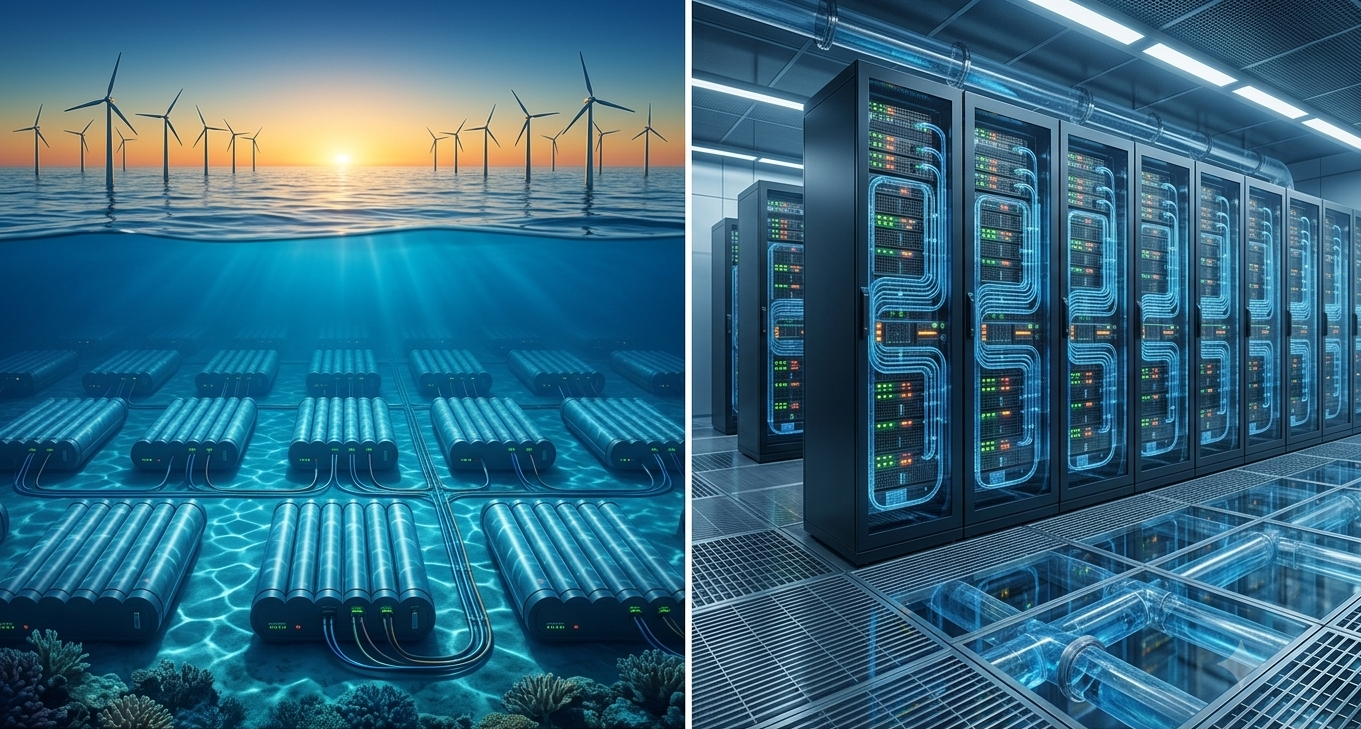
Modern technology infrastructure, including large-scale data centers, can require significant amounts of water and energy for cooling operations.
At the same time, many regions already face water stress.
Question:
What happens when technology continues expanding but freshwater resources continue shrinking?
Issue 4: Oceans Are Paying the Price
For decades, oceans have absorbed humanity’s waste.
Plastic pollution.
Industrial discharge.
Chemical contamination.
Rising temperatures.
Marine ecosystems are under pressure from multiple directions.
Fish populations face challenges.
Coral reefs struggle to survive.
Ocean biodiversity is changing.
Question:
How long can oceans continue absorbing human damage before ecosystems begin reaching irreversible tipping points?
Issue 5: Wildlife Is Losing Its Home
Animals evolved to live in forests, grasslands, wetlands, deserts, and oceans.
Yet many species now face shrinking habitats.
As human expansion grows, wildlife often finds itself pushed into smaller spaces.
Conservation areas and zoos play important roles in protection, but they are not replacements for healthy natural ecosystems.
Question:
If future generations only know wildlife through screens, documentaries, and protected enclosures, what kind of world will we leave behind?
Who Is Responsible?
This is where the conversation becomes uncomfortable.
Is it businesses?
Is it governments?
Is it consumers?
Or is it all of us?
Businesses respond to demand.
Governments pursue growth.
Consumers buy products.
Investors seek returns.
The system rewards consumption.
Yet everyone depends on nature.
The responsibility cannot belong to only one group.
But accountability must belong to everyone.
Questions for Businesses
Businesses often speak about innovation.
But innovation should not only mean generating more revenue.
It should also mean reducing harm.
Questions worth asking:
- How much water does a company consume?
- How much waste does it generate?
- What happens to local ecosystems after projects begin?
- How much land is permanently altered?
- Are sustainability promises measurable or merely marketing?
Profit is important.
But can profit remain meaningful on an environmentally unstable planet?
Questions for Governments
Governments face difficult choices.
Economic development creates jobs.
Infrastructure improves lives.
Technology drives progress.
But governments also have a responsibility to protect natural resources for future generations.
Questions worth asking:
- Are environmental assessments truly independent?
- Are local communities being heard?
- Are regulations being enforced?
- Are long-term environmental costs considered alongside short-term economic gains?
Development should not mean choosing between people and nature.
The goal should be protecting both.
Why Environmental Laws Exist
Environmental regulations are often criticized as barriers to growth.
But their purpose is much larger.
They exist because history has repeatedly shown what happens when nature is ignored.
Environmental laws aim to:
- Protect ecosystems
- Preserve biodiversity
- Prevent pollution
- Manage water resources
- Reduce environmental damage
- Balance development with sustainability
Without safeguards, short-term profits can create long-term disasters.
The Emotional Reality We Rarely Discuss
Imagine your grandchildren asking:
“What did forests look like?”
And your answer comes from photographs.
Imagine children seeing elephants, tigers, whales, sharks, and countless species only through archived videos.
Imagine rivers that once flowed freely becoming memories.
Imagine clean air becoming a luxury.
The greatest environmental tragedy may not be what we lose.
It may be how normal the loss begins to feel.
The Matrix Question: Is Fiction Becoming a Warning?
The movie Matrix presented a world where humanity became disconnected from natural reality.
While that scenario is fictional, it raises an important philosophical question.
What happens if human life becomes increasingly separated from nature?
Imagine a future where:
- Most people live in mega-cities.
- Food is heavily engineered.
- Natural forests become rare.
- Artificial environments replace natural ones.
- Screens become the primary connection to reality.
Would future generations recognize what has been lost?
Or would they simply accept it as normal?
The danger may not be a machine takeover.
The danger may be forgetting what a healthy relationship with nature looks like.
What Happens If Nature Continues to Decline?
If environmental degradation accelerates, possible consequences include:
- Increased water scarcity
- More extreme weather events
- Reduced agricultural productivity
- Biodiversity collapse
- Rising economic costs
- Greater climate instability
- Public health challenges
Nature is not separate from the economy.
Nature is the foundation of the economy.
Destroying that foundation weakens everything built on top of it.
The Final Question
Human civilization has achieved extraordinary things.
Technology.
Medicine.
Communication.
Science.
Industry.
But one question remains unanswered:
Can humanity become advanced enough to protect the very planet that made its existence possible?
The future will not be decided only by technology, governments, or corporations.
It will be decided by the choices made every day by billions of people.
Because in the end, the debate is not Business vs Nature.
The real debate is whether humanity can learn to grow without destroying the systems that keep humanity alive.
And that answer will define the future of our species.